
 HOME
HOME28 January 2026
Glass Wool: Innovation and Application of a Multifunctional Material for Building Energy Efficiency and Carbon Neutrality Goals
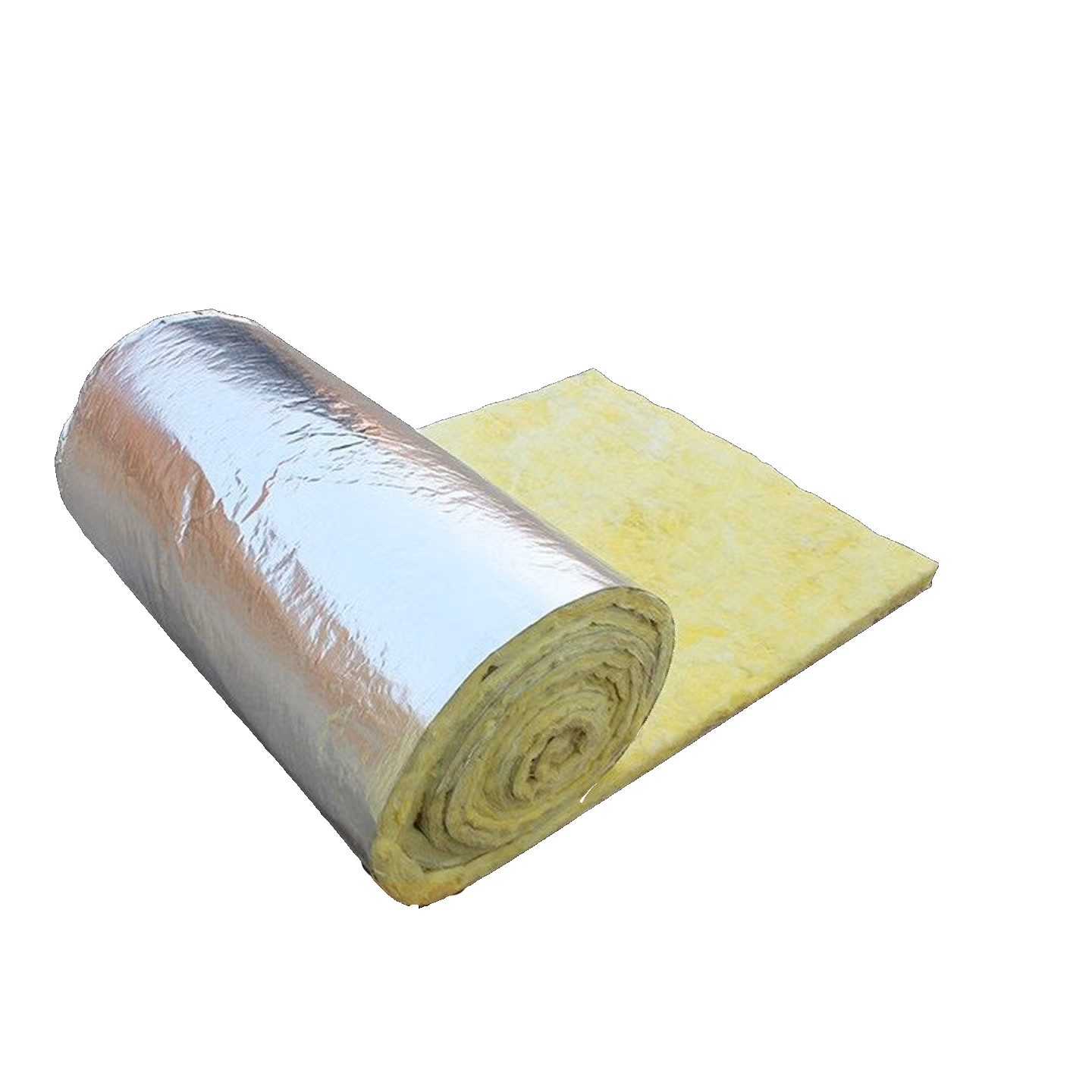
Glass wool is a multifunctional sustainable building material integrating thermal insulation (0.032-0.040 W/(m·K)), acoustic regulation (NRC 0.7-0.9) and Grade A non-combustibility (GB 8624-2012). With its unique three-dimensional fibrous network structure, it’s widely used in building envelopes, roof insulation, industrial equipment thermal protection, and rail transit noise barriers, reducing building energy consumption by 30%-50%. As a key material for carbon neutrality goals, it contains over 30% recycled glass, cuts primary mineral resource use by 0.7 tons/ton product, and achieves 120-180 tons CO₂ emission reduction per building in 50 years. The global market exceeds 8 billion USD in 2023. Evolving towards intelligence and functional integration, it’s the preferred choice for green buildings and existing building retrofitting.
21 January 2026
How to improve the insulation and protection effect of the pipeline system by selecting high-quality rock wool shell?
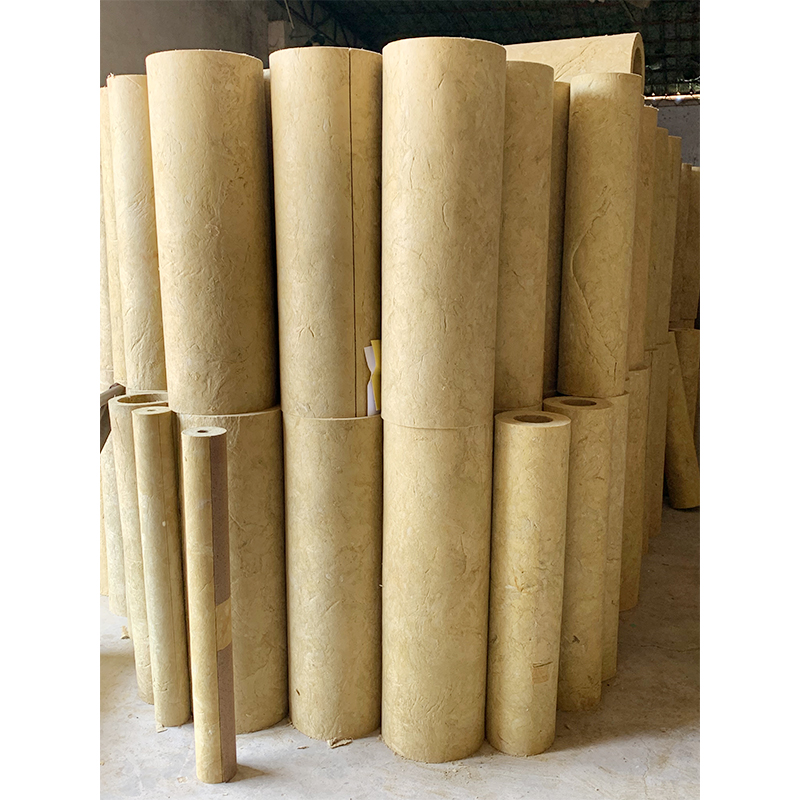
Rock wool pipe shell is a premium insulation material widely used in metal pipeline systems for modern industry and construction. With excellent thermal insulation (low thermal conductivity), Class A non-combustible fire resistance, and strong corrosion resistance, it effectively blocks heat/cold transfer, reduces energy consumption, and protects pipelines from rust and fire hazards. Professional manufacturers offer customized solutions—including standard pipe shells and special-shaped parts (elbows, tees) for seamless fitting—to adapt to complex working conditions. As an eco-friendly, recyclable material, it meets global sustainable development goals, helping enterprises fulfill environmental responsibilities. Ideal for heating, refrigeration, chemical engineering, high-rises, and public facilities, rock wool pipe shell optimizes equipment efficiency, extends service life, and complies with stringent energy conservation and safety regulations.
14 January 2026
Process Defines Performance: A Guide to Three Core Ceramic Fiber Blanket Technologies
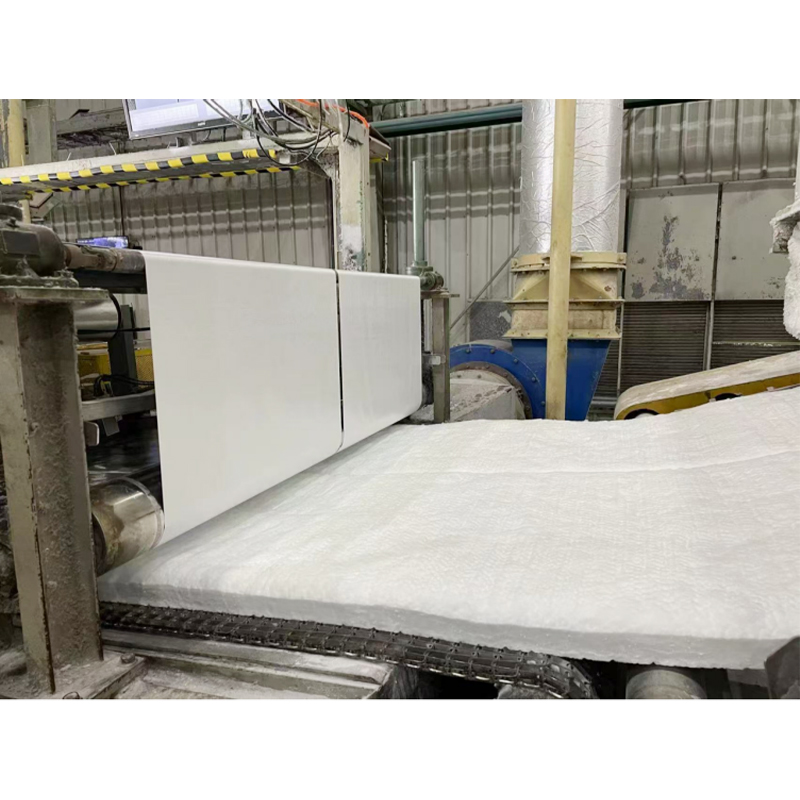
Discover the right ceramic fiber blanket for your industrial needs! Our guide breaks down three core production processes—Spinning, Blowing, Spun-Blown Composite—highlighting their unique strengths in strength, insulation, and stability. From basic industrial insulation to high-end precision and complex severe environments, find tailored solutions (RCFWOOL, AESWOOL) that maximize performance and cost-efficiency.

How is the seismic performance of Glass wool pipe shell in industrial pipeline insulation?
Glass wool pipe shell are the mainstream choice for industrial pipeline insulation, boasting high-efficiency thermal insulation and excellent seismic resistance. Made of 3-8μm molten glass fibers, they absorb 60%-80% vibration energy, maintain 95%+ elastic recovery rate, and suit petrochemical/thermal power high-temperature (up to 540℃) high-pressure (up to 24.5MPa) conditions, cutting 40%-50% maintenance costs.
07 January 2026
Learn More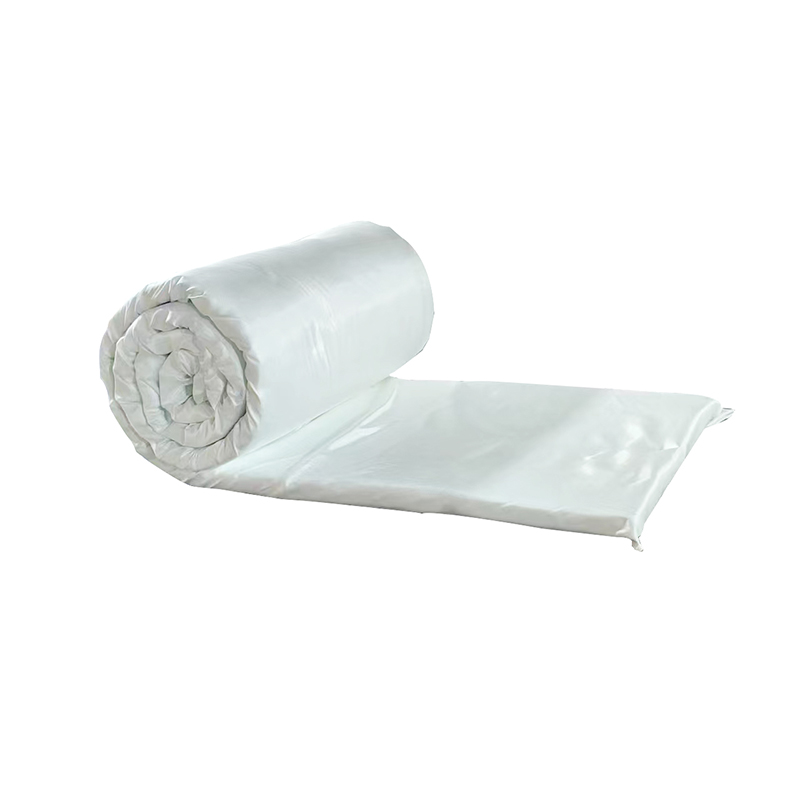
What is the thermal shock resistance of ceramic fiber blanket?
Ceramic fiber blanket is a high-performance refractory insulating material with superior thermal shock resistance, capable of withstanding rapid 1000℃-room temperature cycles and retaining over 85% strength after 10 thermal shock tests. Optimized by precise material ratio and advanced processes, it is widely applied in steelmaking, glass furnaces and aerospace thermal protection, extending equipment service life and cutting maintenance costs. Future material innovations will further enhance its performance for extreme high-temperature scenarios.