
News
10 PCTC Newbuilds Signed Lithium Battery Fire Protection Upgrade for EV Carriers
GSI signs 10×8,200-CEU LNG dual-fuel PCTC order. Rising EV share drives fire safety upgrades. SOLAS II-2 vehicle-space fire amendments effective 2026, IMO targeting mandatory rules by 2032. Harmony AES fiber (1150°C, CCS+MED) + A1 rock wool + CCS glass wool for PCTC vehicle deck fire divisions.
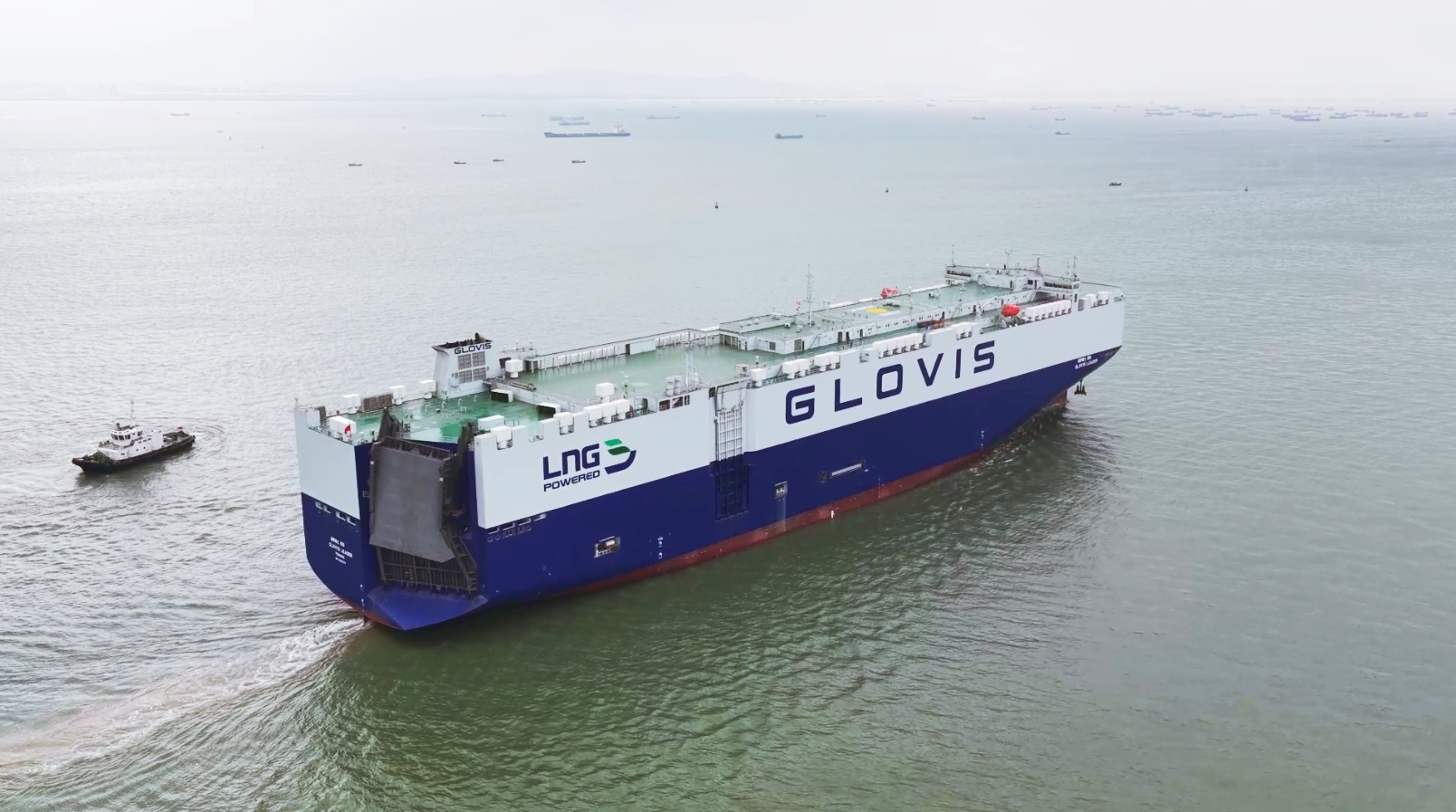
On September 1, Guangzhou Shipyard International (GSI), a subsidiary of China State Shipbuilding Corporation, together with CSTC, officially signed a newbuilding contract with Ray Car Carriers for 10 units of 8,200-CEU LNG dual-fuel Pure Car and Truck Carriers (PCTC), valued at over USD 1 billion (approx. RMB 6.7 billion), with delivery scheduled between 2029 and 2031. Almost simultaneously, Norwegian owner Höegh Autoliners announced an order for six additional Aurora-class LNG dual-fuel PCTCs. The PCTC newbuilding boom continues, and as the share of electric vehicles rises rapidly, lithium battery fire protection has become a central issue in PCTC design and construction.
Meanwhile, amendments to SOLAS Chapter II-2 entered into force on 1 January 2026, strengthening structural fire division requirements for vehicle spaces, special category spaces and ro-ro spaces, and adding technical parameters for fixed water-based fire-extinguishing systems in the FSS Code. At IMO SSE 12 (March 2026), the Sub-Committee agreed to revise its action plan to evaluate whether fire protection, detection and extinction arrangements in vehicle spaces are adequate for new-energy vehicle (especially BEV) fire risks, targeting mandatory provisions by 2032. Domestically, CCS's "Enhanced Fire Safety Technical Requirements for Carriage of Lithium Battery Electric Vehicles in Ro-Ro Ships" also took effect in 2026, with 7,000-CEU PCTCs already delivered with the enhanced fire safety class notation.
From regulation to market, fire safety standards for EV carriers are being comprehensively upgraded. Harmony offers a professional material solution for PCTC vehicle decks and ship-wide fire divisions through its full product portfolio: AES bio-soluble fiber, RCFWOOL ceramic wool, marine rock wool, and marine glass wool.
1. Lithium Battery Fires: A New Fire Challenge for PCTCs
Conventional vehicle fires involve ordinary combustibles, which existing A60 divisions can generally handle. However, lithium-ion battery thermal runaway in electric vehicles presents fundamentally different fire characteristics:
- Extreme temperatures: cell thermal runaway can reach 800–1200°C, far exceeding ordinary vehicle fires;
- Toxic smoke: release of hydrogen fluoride, hydrogen cyanide and other highly toxic gases, threatening crew escape;
- Re-ignition risk: internal chemical reactions sustain heat generation, and fires can re-ignite after extinguishment — traditional CO₂ systems cannot fully suppress them;
- Jet fire: battery pressure relief valves eject high-temperature flames, causing directed impingement on adjacent vehicles and bulkheads.
This means fire divisions between vehicle decks and engine rooms / accommodation, as well as internal zoning within vehicle decks, require higher fire ratings and more stable high-temperature insulation materials than ever before.
2. SOLAS Amendments & IMO Developments: Rising Fire Standards
- Effective 1 January 2026: SOLAS II-2 Reg.20 amendments strengthen structural fire division for vehicle, special category and ro-ro spaces; FSS Code Ch.7 adds technical parameters for fixed water-based extinguishing systems;
- IMO SSE 12 (March 2026): agreed to evaluate adequacy of fire protection, detection and extinction for new-energy vehicle fires, targeting mandatory provisions by 2032;
- CCS enhanced fire safety requirements: effective 2026 for ro-ro ships carrying lithium battery EVs, covering upgraded detection (heat + smoke dual warning), enhanced extinguishing systems, and optimized structural fire divisions.
The regulatory trend is clear: vehicle-space fire divisions are evolving from "basic A60 compliance" to "lithium-battery high-temperature flame resistance," and material selection needs to be planned ahead.
3. Harmony Material Solution: Zone-by-Zone PCTC Fire Protection
Harmony provides differentiated material configurations based on fire risk levels in different PCTC areas:
Vessel Area
Fire Risk
Harmony Material
Certification
Vehicle deck / engine room & accommodation boundaries
A60 division, must resist lithium battery high temps
A1 marine rock wool (primary) + AES fiber reinforced layer (hot side)
A1 / CCS+MED
Internal vehicle deck fire zoning
Limit fire spread, withstand local high temps
A1 marine rock wool
A1 / CCS
Adjacent to battery rooms / charging areas
Highest temp risk, must withstand 1000°C+
AES bio-soluble fiber (max 1150°C)
CCS + MED dual certified
LNG dual-fuel engine exhausts, boilers
Sustained high temp
AES fiber / RCFWOOL ceramic wool
CCS + MED dual certified
HVAC & exhaust ducts, cabin acoustics
Medium-low temp, smoke management
Marine glass wool
CCS certified
Accommodation, wheelhouse insulation
Thermal comfort
Marine rock wool / glass wool
A1 / CCS
4. Why AES Bio-Soluble Fiber for High-Temperature Zones?
In the event of lithium battery thermal runaway on a PCTC vehicle deck, local temperatures can exceed 1000°C. Standard rock wool has a long-term service temperature of approximately 650–750°C and may shrink or powder under sustained extreme high-temperature flame impingement, compromising fire division integrity.
AES bio-soluble fiber offers a maximum service temperature of 1150°C, stably resisting lithium battery thermal runaway jet fires and high-temperature flue gases. Additional advantages:
- EU Note Q biopersistence exempt, not classified as carcinogen, no high-risk IHM declaration;
- Full CCS + MED dual certification for international-route PCTC surveys;
- Flexible blanket form conforms to irregular structures and bulkhead corners for easy installation.
For domestic routes or budget-sensitive projects, RCFWOOL ceramic wool (max 1100°C, CCS+MED dual certified) also meets high-temperature zone requirements, subject to IHM declaration.
5. Complete Certification & Documentation
Harmony marine insulation materials carry full class society certification, with Material Declarations (MD) and Supplier Declarations (SDoc) available to assist shipyards in IHM compilation:
- AES bio-soluble fiber & RCFWOOL ceramic wool: CCS Type Approval + MED Wheel-Mark;
- Marine glass wool: CCS Type Approval;
- Marine rock wool: A1 non-combustible inorganic material.
The 10-vessel PCTC order marks the arrival of a new car-carrier construction peak. The rising share of new-energy vehicles is driving ship fire safety standards from "minimum compliance" toward "inherent safety." Harmony will continue to follow IMO and CCS regulatory developments, delivering reliable fire and thermal insulation solutions for global PCTCs and new-energy vessels with high-temperature-resistant, environmentally compliant full-range fiber materials.