
News
AES Fiber vs. RCF Fiber: How to Choose Marine Materials?
Compare AES low bio-soluble fiber & RCF refractory ceramic fiber for marine use. IMO certified, A60 fire protection compliant. Guide for offshore/platform, domestic/international vessel material selection.
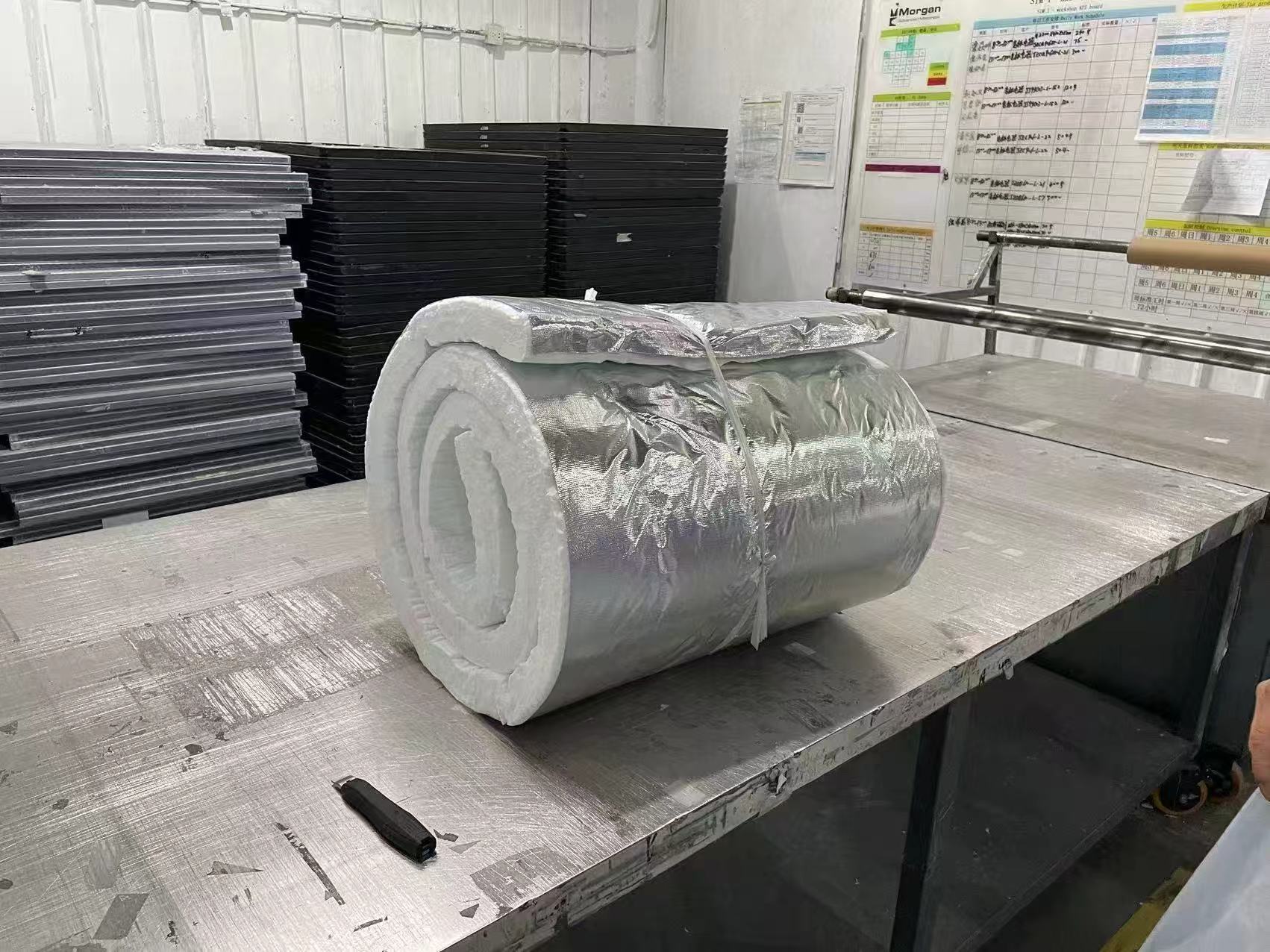
In marine fire protection, equipment insulation and cabin thermal insulation systems, RCF (Refractory Ceramic Fiber) and AES (Alkaline Earth Silicate) low bio-soluble fiber are the two most mainstream high-temperature insulation materials in the maritime industry. With the upgrading of environmental standards by the International Maritime Organization (IMO), safety, environmental compliance and application scenarios have become the key factors in material selection. This article provides clear guidance for ship design and construction based on performance, environmental protection, certification and practical applications.
1. RCF Fiber: A Classic High-Temperature Solution with Cost Efficiency
2. AES Fiber: Upgraded Maritime Environmental Protection, Preferred for Global Compliance
3. Core Comparison
| Items | RCF Fiber | AES Fiber |
|---|---|---|
| Environmental Certification | Standard marine compliance | IMO Nota Q Certified |
| Biological Safety | Conventional fiber | Low bio-soluble, non-toxic & harmless |
| Temperature Rating | 1000–1260℃ | 1000–1150℃ |
| Applicable Vessels | Domestic vessels, general ships | International vessels, offshore platforms |
| Core Positioning | High-temperature durability, cost-effective | Global compliance, green & safe |
4. Selection Recommendations for Marine Materials
- Domestic vessels, high-temperature equipment, cost optimization: RCF Fiber is recommended for stable performance and strong adaptability.
- International trading vessels, ocean-going ships, offshore platforms: AES Fiber is mandatory to meet global port environmental access requirements.
- Passenger ships, accommodation areas, densely populated zones: AES Fiber is preferred for higher safety and alignment with modern green shipbuilding trends.